Protecting your privacy on paid survey sites begins with choosing what you are comfortable sharing. Research panels need information to match participants with studies, but you should understand who collects it, why it is requested and what happens afterwards. A small reward is not a reason to ignore a question or permission that makes you uncomfortable.
You can participate honestly while setting limits. Declining an optional study is different from inventing profile details. The aim is to choose suitable opportunities and protect your accounts, rather than conceal your identity to bypass a panel’s rules.
Read the Privacy Notice Before Joining
Look for the company operating the panel, its contact details and a privacy notice that applies to your country. Find explanations of the information collected, its purposes, sharing with research partners and retention. If you cannot understand an important point, ask support before providing the data.
A panel may send you to a separate research provider. Read the study’s own introduction and privacy information as well as the panel’s general policy. Do not assume every external questionnaire uses exactly the same data practices as the account where you received the invitation.
Separate Required Details From Optional Questions
Account and profile information
Basic details can be used for eligibility, study matching and payment checks. Provide accurate information when you choose to participate. If a required field requests something you do not want to share, consider another programme rather than submitting false details that may later conflict with verification.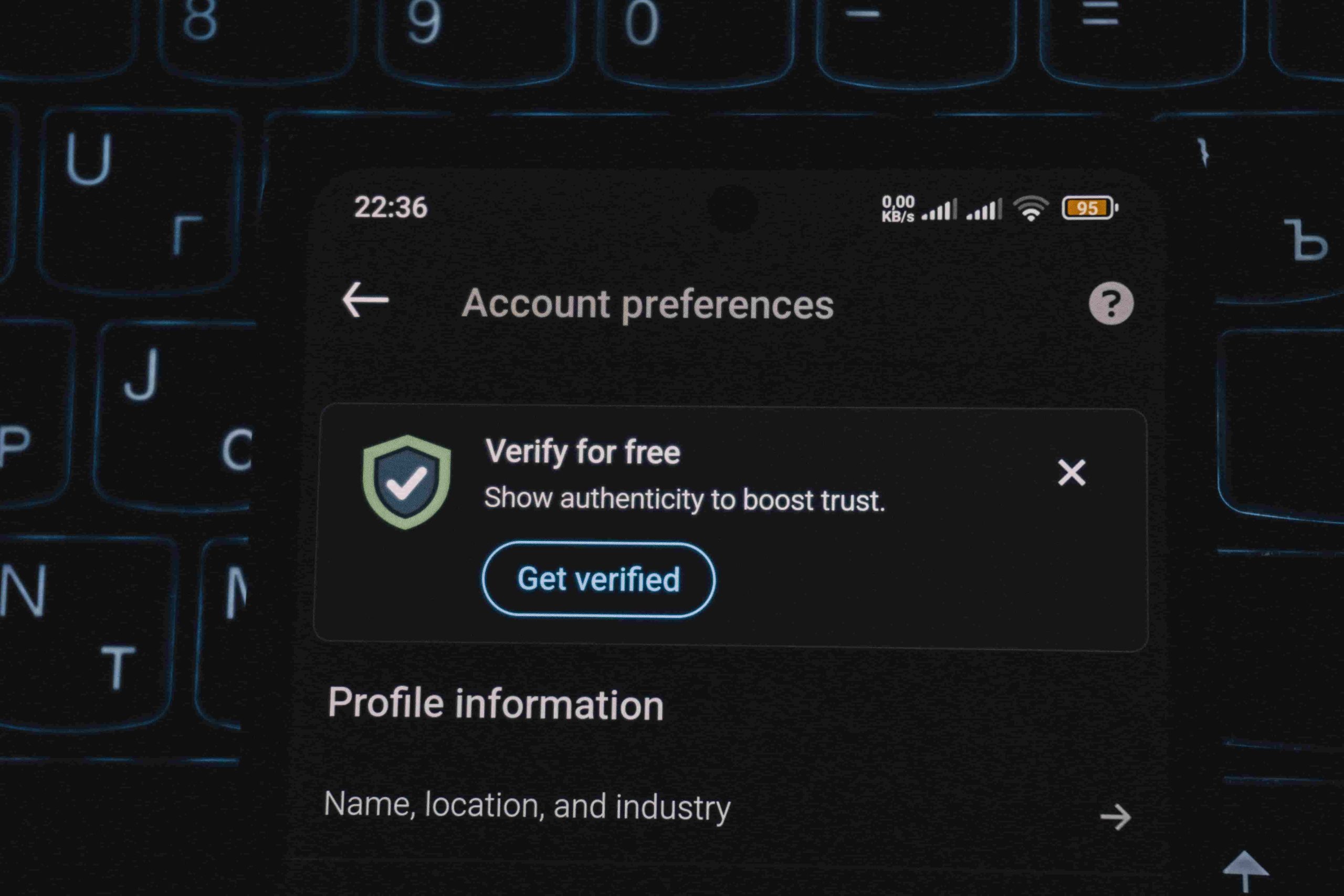
Sensitive research topics
Some studies ask about health, finances, beliefs or personal experiences. Review the purpose, requested detail and available choices before continuing. Avoid adding unnecessary names, account numbers or identifying stories in open text boxes. If the topic feels too intrusive, leave the study according to its instructions.
Secure the Account and Email Address
Use a unique password and enable additional sign-in protection where available. A separate email address for surveys can make invitations easier to manage, but it is not anonymity. Protect that mailbox carefully because password resets and reward messages may arrive there.
Open account pages through saved official links when a message asks you to verify information. Check the destination before entering credentials. Never send passwords or one-time codes to a person claiming to be support, and avoid reusing a survey password on your banking or primary email account.
Review Device Permissions
Camera, microphone, location and screen-recording access should match the study you agreed to join. Read the permission prompt and research explanation. A standard questionnaire does not automatically justify every available permission. You can decline a study whose requirements do not suit you.
Before a recorded session, close unrelated tabs, hide notifications and remove private documents from view. Use only software you have independently verified through the official study instructions. Do not install remote-control tools merely because an unexpected recruiter requests them.
Handle Verification and Rewards Carefully
A genuine panel may require identity or payment verification. Check the request in your official account and read how the verification provider handles documents. Send material only through the documented secure process, and ask why it is needed if the request is unexpected.
When keeping records, store survey identifiers, dates and reward amounts instead of copies of every answer or identity document. Do not publish screenshots containing voucher codes, account details or private survey content. Share only the evidence necessary for an official support issue.
Review Your Participation Periodically
Check marketing preferences, connected apps and optional permissions when your needs change. If you stop using a panel, review its account-closure and data-request process before deleting anything, including the effect on pending rewards. Ipsos iSay’s privacy help page is one example of where a panel explains its privacy resources and membership controls.
Good privacy on paid survey sites is a continuing choice. Join selectively, share deliberately and leave opportunities that ask for more than you consider reasonable. Rewards should fit your comfort level, rather than pressure you into disclosing information you would prefer to keep private.